










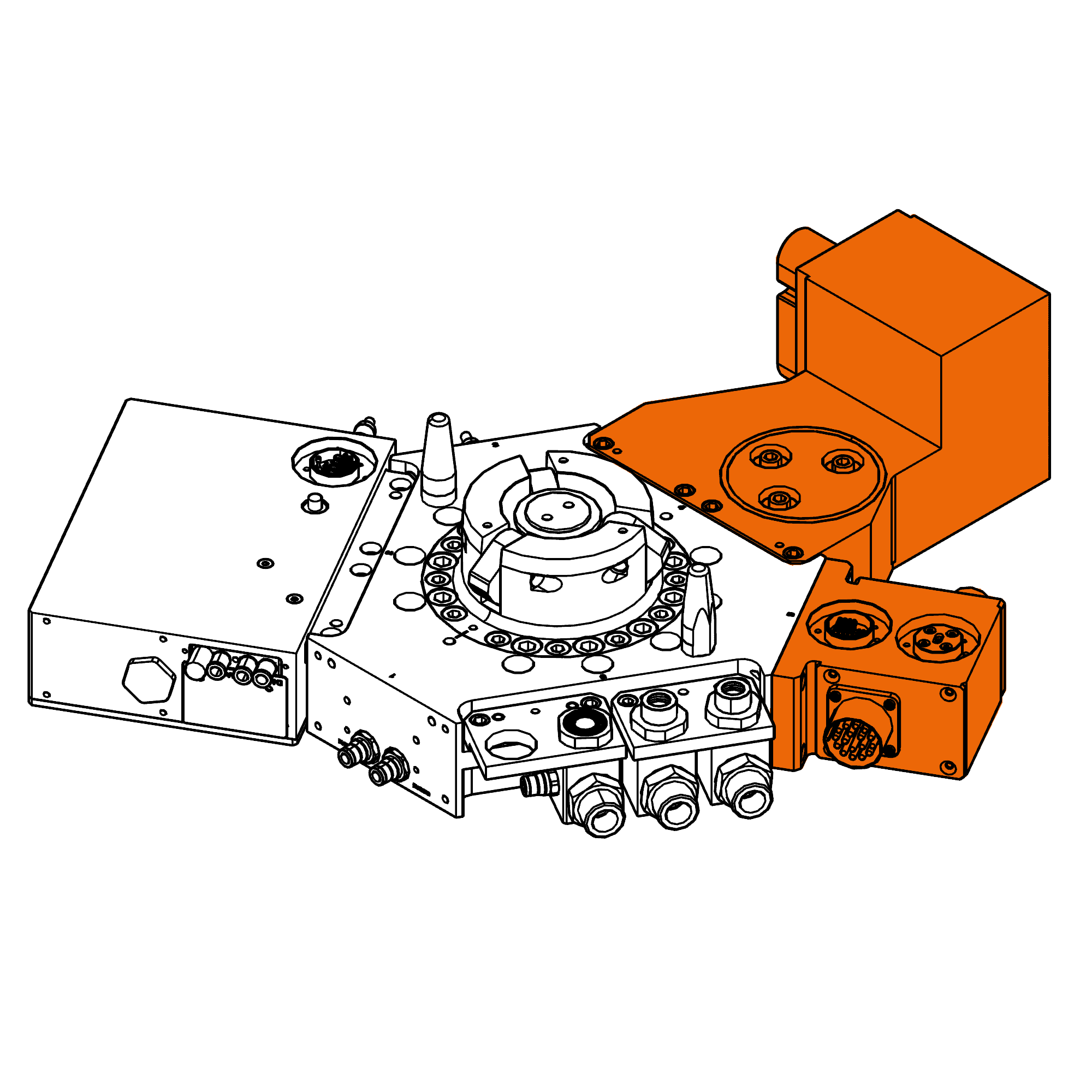
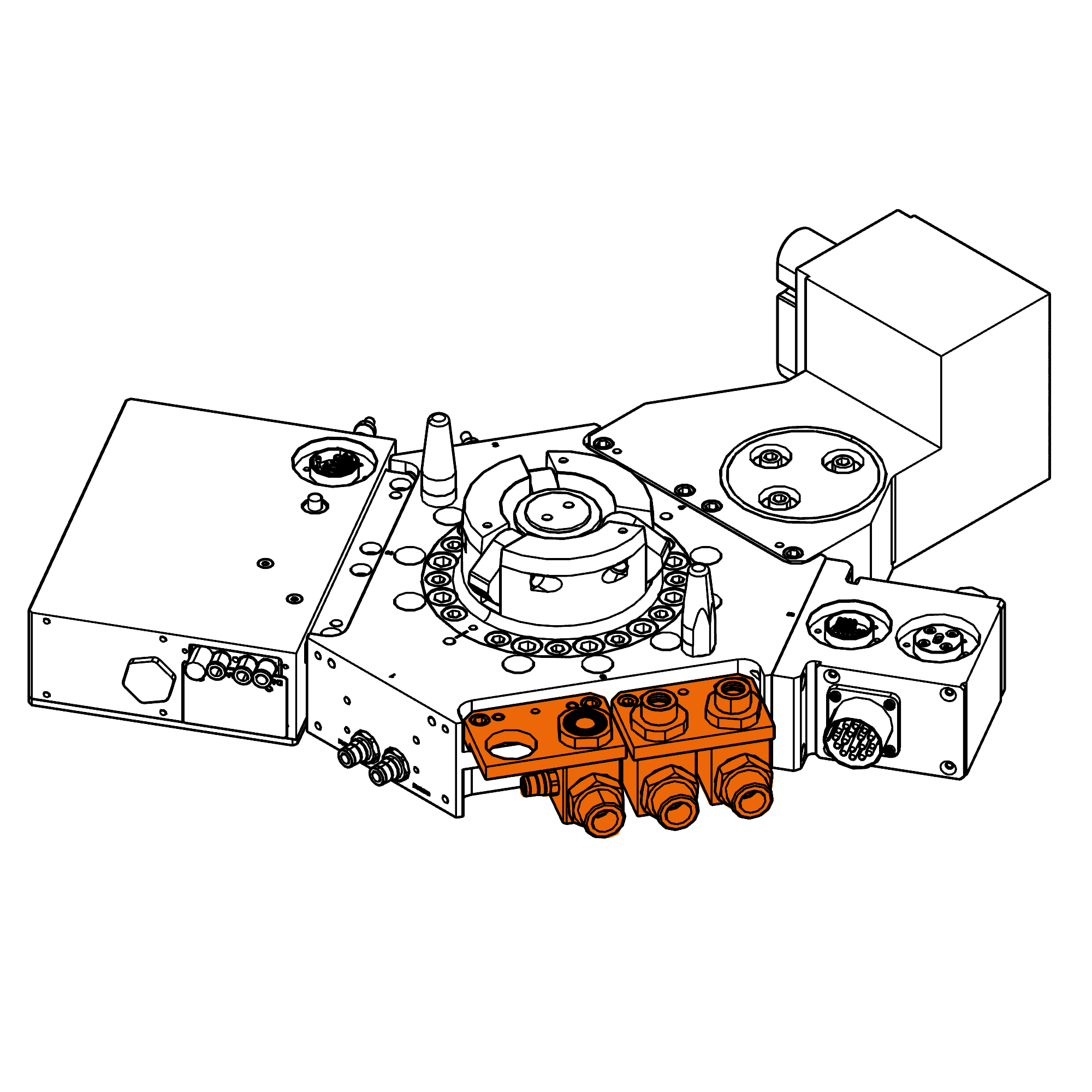
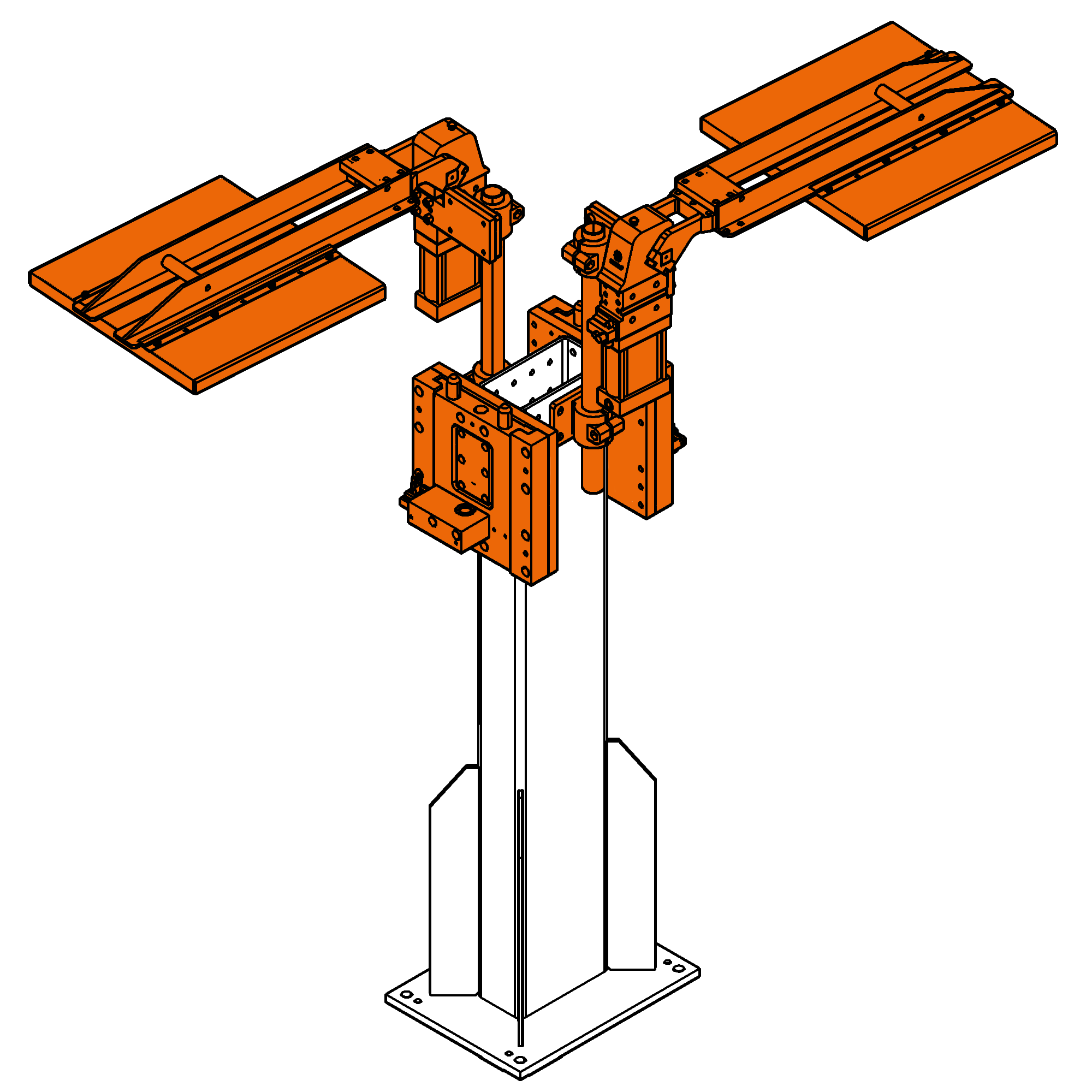


why upgrading from Sigma to Epsilon makes sense while keeping Sigma fully supported
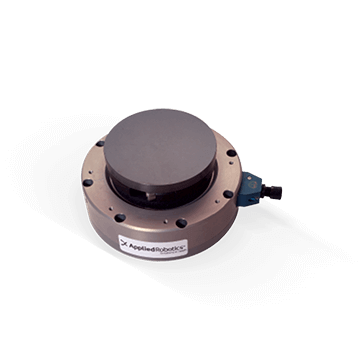
In the field of robotic tool changers, reliability, safety, and durability are essential criteria. Historically, Applied Robotics (now part of the Effecto group) offered multiple cam-lock tool changer ranges, including Sigma and Epsilon.
Today, the Epsilon range has become the technical reference for new projects, while Sigma moves into a lifecycle transition phase. This does not mean Sigma systems are obsolete. It means new applications increasingly benefit from Epsilon’s extended capabilities, while existing Sigma installations remain valid, supported, and serviceable.
This article explains:
- why Epsilon progressively replaces Sigma for new automation projects,
- why Sigma remains fully usable and relevant in existing robot cells,
- how PES continues to support Sigma users with refurbished units, maintenance, and repair services for Sigma and older Applied Robotics tool changers.
1. Sigma and Epsilon share the same cam-locking DNA
One key point matters: Sigma and Epsilon follow the same Applied Robotics engineering philosophy.
Both ranges are based on:
- Positive cam locking (not ball locking),
- Wide contact surfaces for strong mechanical load capacity,
- Self-compensating wear behaviour designed for long-term repeatability,
- Stable positional repeatability over high cycle counts,
- Robust industrial construction.
The difference between Sigma and Epsilon is therefore not a break in technology, but an industrial evolution aligned with modern robotics requirements.
2. Why Epsilon has become the reference for new projects
Industrial requirements have evolved significantly: faster robots, heavier and more complex EOAT, higher throughput, harsher environments, and increased safety constraints. The Epsilon range is designed to address these modern constraints.
What Epsilon adds
- Much broader load range, up to very heavy-duty applications,
- Better resistance to high moments with long or offset tools,
- Reinforced structural stiffness,
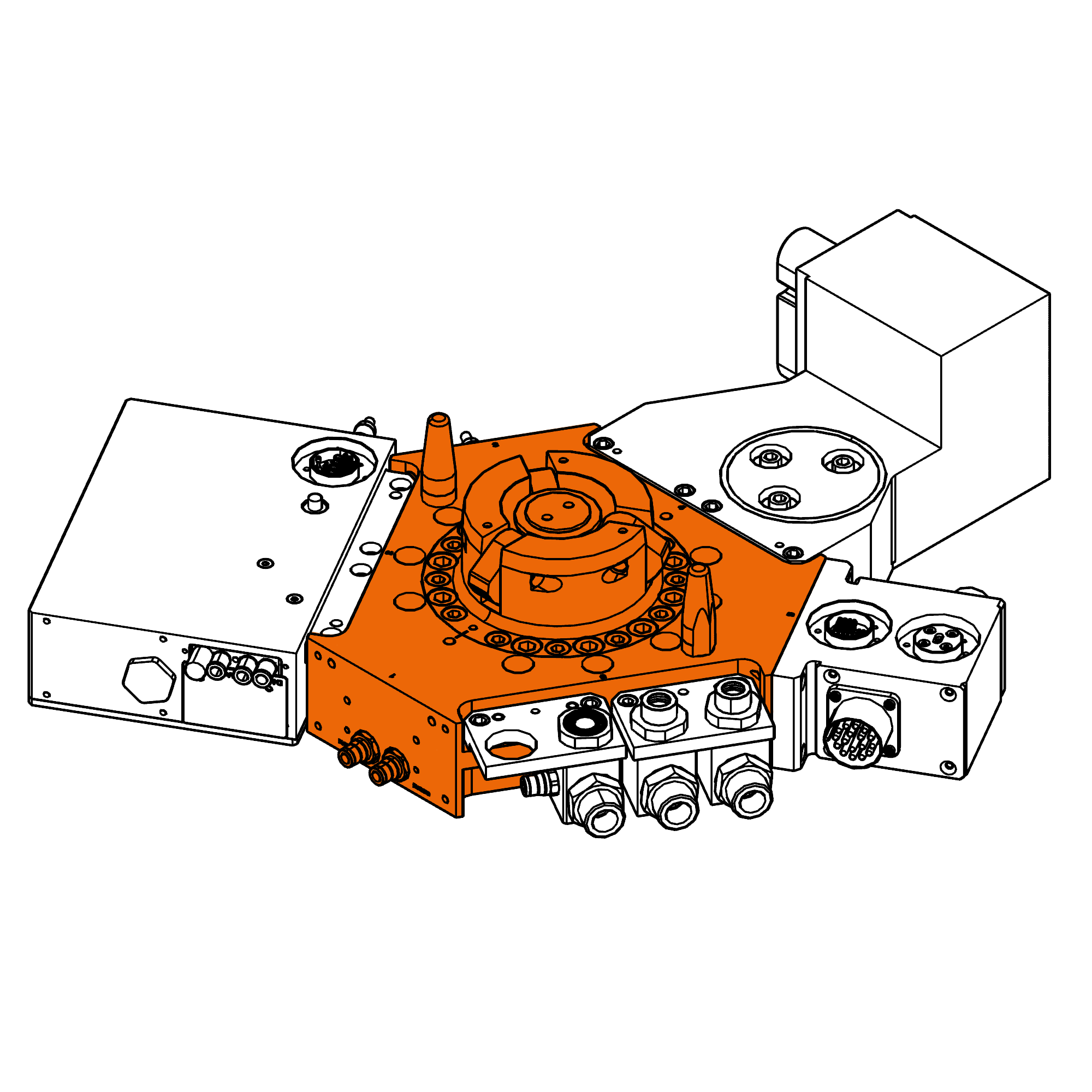
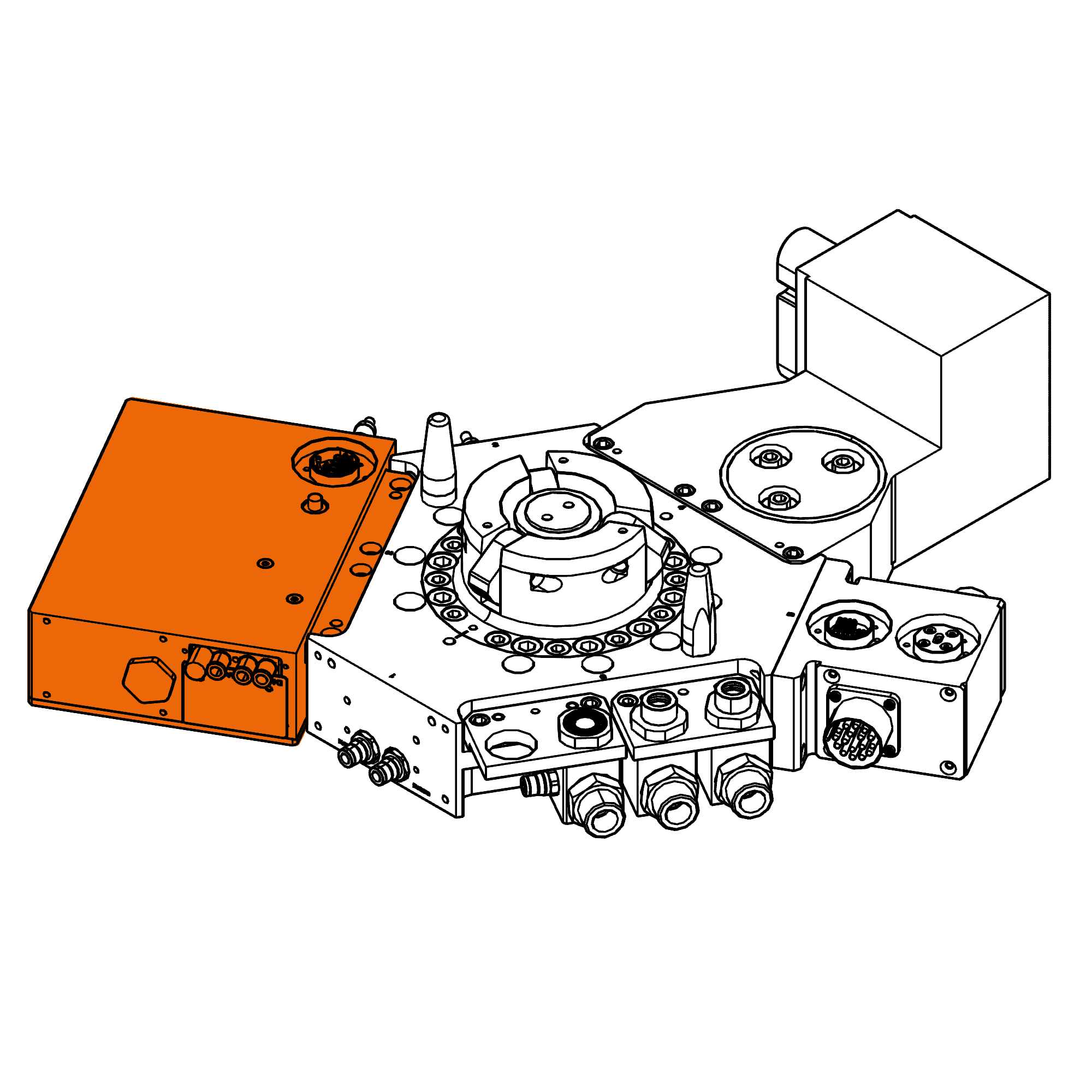
- Large utilities ecosystem (signals, power, pneumatics, fluids, tool presence sensing),
- Design suitable for harsh environments (welding, spatter, dust, oils),
- Lifetime warranty on the locking mechanism (Epsilon range).
For new tool changer projects, Epsilon is often the preferred option because it supports future constraints and reduces industrial risk over the long term.
3. Sigma is in transition, not obsolete
The fact that Sigma is progressively replaced by Epsilon does not mean:
- existing Sigma installations are outdated,
- robot cells must be replaced,
- or Sigma users lose support.
In reality, many Sigma tool changers remain in service across industry, delivering reliable performance, especially for:
- moderate payloads,
- controlled environments,
- stable and proven applications.
In many cases, there is no immediate technical reason to replace a Sigma tool changer if it is operating correctly.
4. Refurbished Sigma tool changers remain available through the PES shop
To support continuity, compatibility, and budget constraints, PES continues to offer refurbished Sigma tool changers through its shop.
Why choose a refurbished Sigma
- Direct compatibility with existing Sigma-based robot cells,
- Cost control compared to purchasing new equipment,
- Complete mechanical refurbishment and functional verification,
- A practical option for line extensions, like-for-like replacements, or spare units for preventive maintenance strategies.
Refurbished Sigma units help extend the operational life of existing installations in a controlled and cost-effective manner.
5. PES continues maintenance and repair services for Sigma and older Applied Robotics tool changers
Long-term support does not stop when product ranges evolve. PES continues to provide services for Sigma tool changers and also supports older generations of Applied Robotics tool changers.
Services typically include:
- mechanical inspection and diagnosis,
- replacement of wear components,
- functional refurbishment and validation prior to re-installation,
- preventive maintenance planning and spare parts strategy support.
This ensures operational continuity and protects industrial investments without forcing premature upgrades.
6. When to consider upgrading from Sigma to Epsilon
An upgrade from Sigma to Epsilon becomes relevant when:
- payload or moments increase,
- production throughput rises significantly,
- the environment becomes harsher (welding, chips, oil, dust),
- process safety becomes critical,
- you are launching a new project or a major retrofit.
In these cases, PES can support the transition through sizing (load and moment analysis), mechanical compatibility checks, utilities module selection, and process risk reduction.
7. A clear strategy: continuity, evolution, and long-term support
PES’ approach to Applied Robotics / Effecto tool changers is built on three pillars:
- Epsilon as the reference solution for new projects and demanding applications,
- Sigma maintained and offered refurbished for existing installations,
- Long-term maintenance, repair, and refurbishment services for Sigma and older tool changer generations.
This strategy protects past investments, supports current production, and enables future projects without disruption.
8. Conclusion: evolve without disruption
The transition from Sigma toward Epsilon is a logical evolution aligned with modern industrial robotics requirements. However, it can be achieved without operational disruption thanks to refurbished Sigma availability and the long-term service capabilities of PES.
Whether you operate Sigma, deploy Epsilon, or run older Applied Robotics tool changers, PES remains your partner to secure, maintain, and evolve your robotic tool changing solutions.